02 / License optimization identified
25%
Copilot seat usage analysis surfaced a 25% license optimization opportunity.
AI Orchestrator & Technical Product Lead
I build the AI-powered systems engineering teams run on — MCP integrations, LLM automation pipelines, Copilot adoption dashboards — and lead the people who use them. I sit at the layer above the automation: I set strategy, manage engineers, own product decisions, and measure what AI is actually worth.
02 / License optimization identified
25%
Copilot seat usage analysis surfaced a 25% license optimization opportunity.
03 / Operational cost reduction
15–35%
Documented 15–35% operational cost reductions across engineering teams using AI tooling.
04 / Internal agent tools shipped
10+
Custom internal agent tools deployed by engineers trained through the AI KT Series.
05 / Less developer rote work
40%
Reduction in repetitive developer work from MCP-based agent tooling.
Annual ROI
+907%
ROI = (value − investment) ÷ investment × 100. Value = hours saved × hourly cost × 46 wks + lift. Illustrative inputs — set them to your org.
Ask anything about Dave's work. Answers are grounded in his profile through MCP tools and routed local-first: a model on Dave's own AI stack, with Claude as the paid fallback.
The assistant on the left runs on a public MCP server. Add it to Claude Code (or any MCP client) and ask about my experience, metrics and case studies in your own tools.
claude mcp add --transport http dave-smith https://smithdavedesign.herokuapp.com/v4/mcpExposed tools
P1 / pillar
Moving teams from building to spec to designing goals for autonomous agents — and choreographing multiple specialized agents into one reliable workflow.
P2 / pillar
A Coding for Good background applied to agents: defining how they are gated, monitored, and aligned with human values.
P3 / pillar
Training a technical workforce to build its own agentic tools, so AI capability scales past any one person.
Action · Tooling · Metric
Optimizing enterprise intelligence via Copilot analytics.
Scaling agentic capability via MCP training — the AI KT Series.
Automating the SDLC via intelligent code agents.
case / D
Eliminates manual documentation labor between design and engineering across the org.
case / E
Reduced manual QA effort while keeping quality standards consistent across teams.
screenshots from the real apps
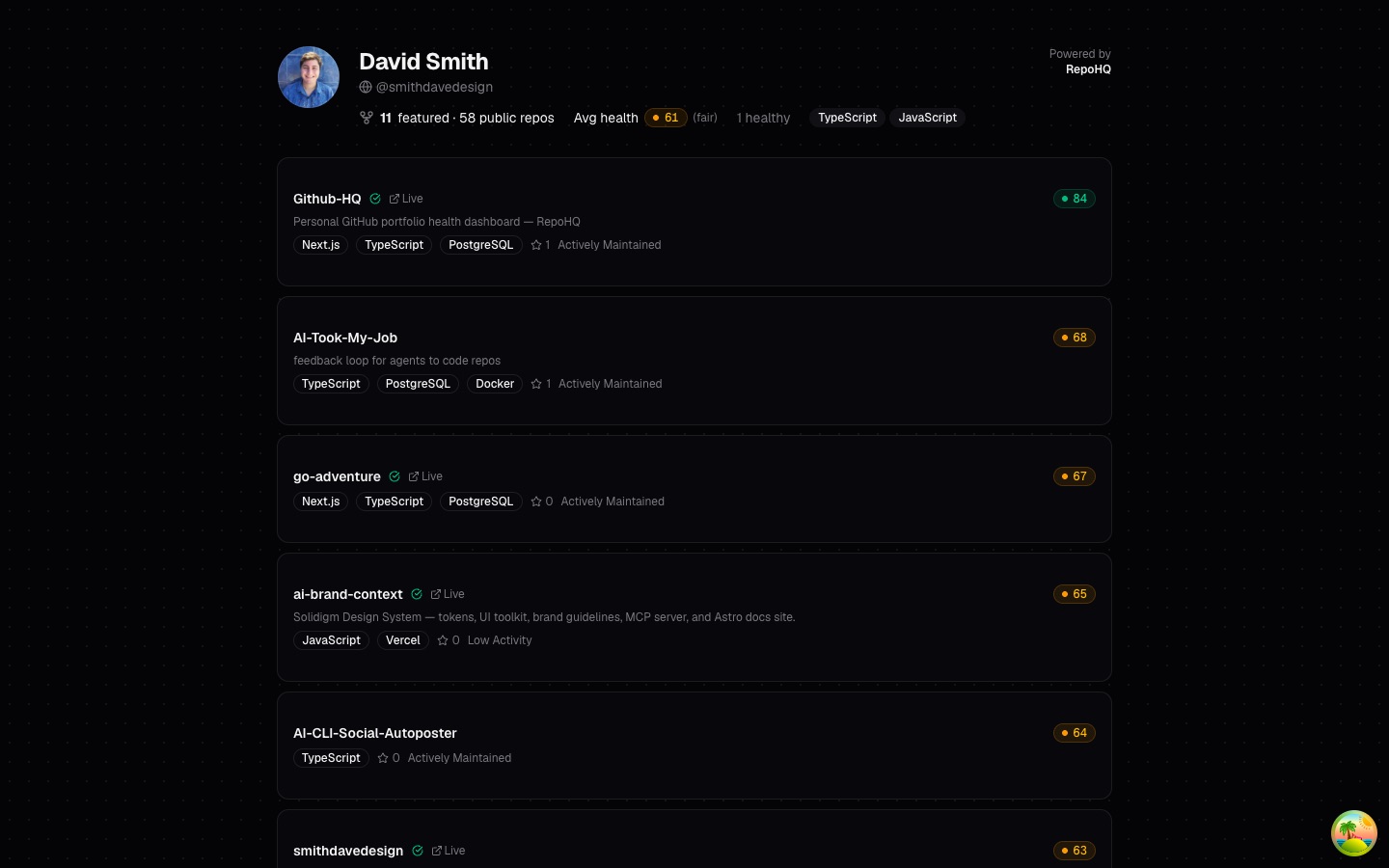
Portfolio intelligence for every repo I own — and an agent factory that acts on it.
Next.js 16 · TypeScript · Neon Postgres · Drizzle ORM · Auth.js (GitHub OAuth)
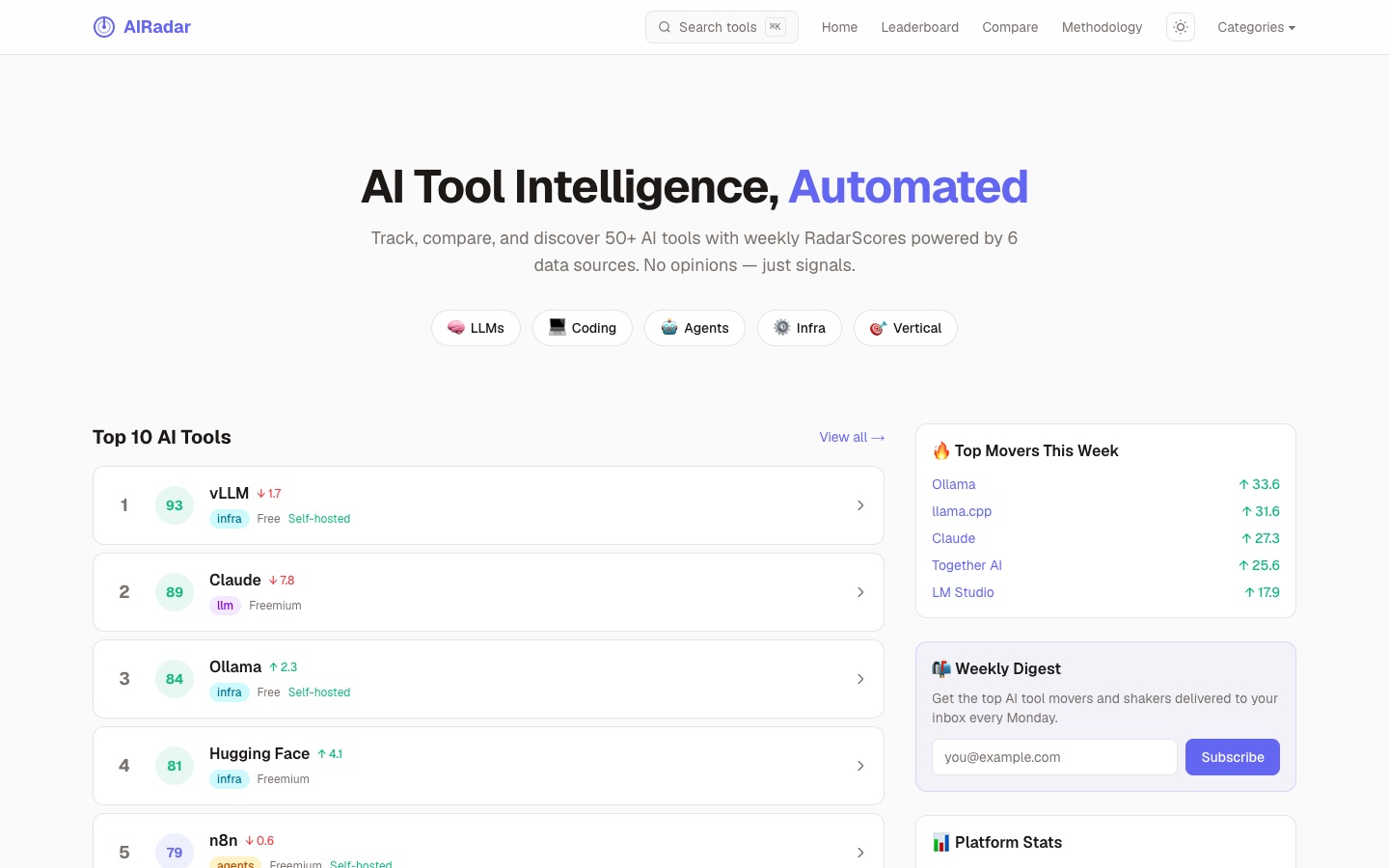
Weekly, signal-based rankings for 150 AI tools — no opinions, just data.
Next.js 16 · TypeScript · Neon Postgres · Drizzle ORM · Inngest
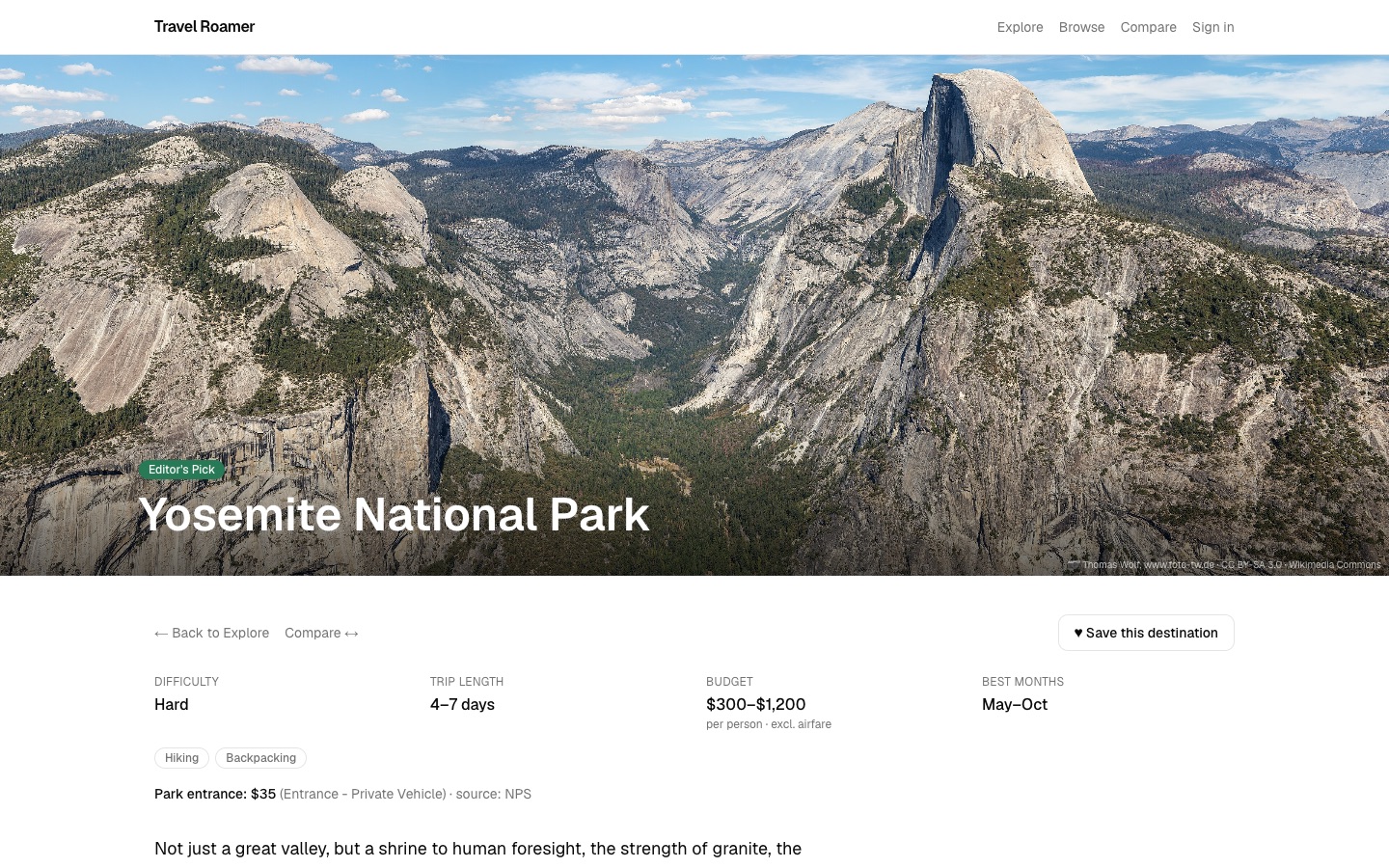
“Skyscanner Explore” for the outdoors — discover where to go, not just research a place you picked.
Next.js 16 · TypeScript · Postgres + PostGIS · Prisma · MapLibre / MapTiler
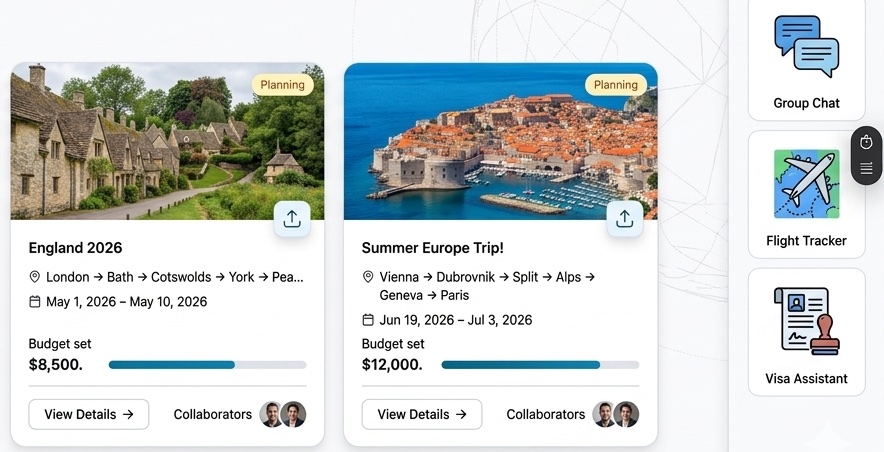
Group trip planning where AI reads the booking confirmations for you.
Next.js · TypeScript · Supabase · Claude API · Mapbox
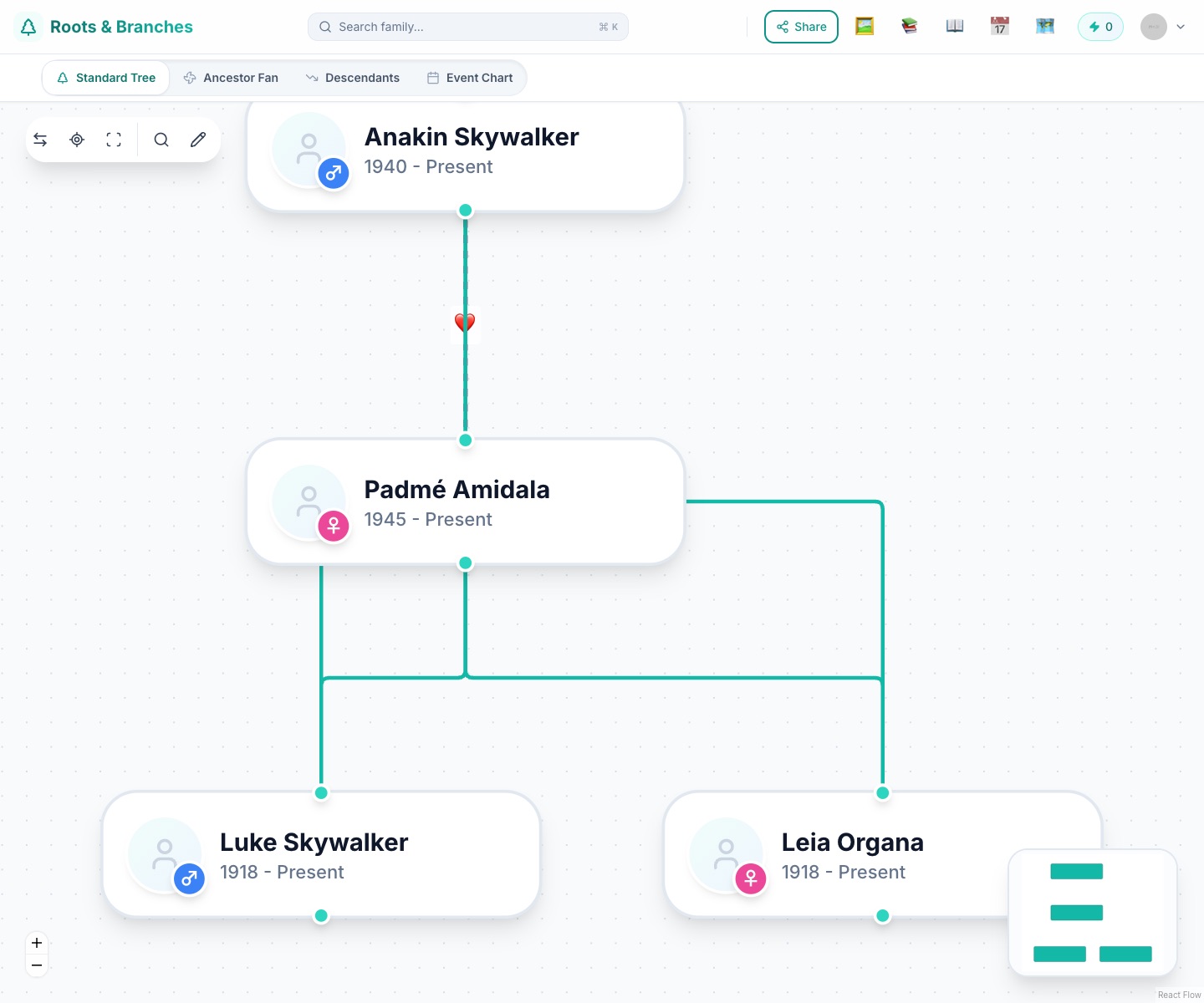
An interactive family tree you can explore, enrich and share.
React + Vite · Node.js / Express · Supabase Postgres · React Flow · Stripe
Tools don't scale an org — people who can build tools do. The KT series turned engineers into MCP builders, with governance designed in from module one.
Outcome: 10+ internal agent tools shipped · 40% less rote developer work
Coding for Good → agent governance
Autonomy is earned, scoped and reversible. Every agent I deploy sits at an explicit level on this ladder, with a named human above it.
Suggest
Agent drafts; human writes. Default for anything customer-facing.
HITL: Every output
Draft & route
Agent produces an artifact and routes it to a named reviewer (tickets, test cases, PR reports).
HITL: Before publish
Act in sandbox
Agent executes inside a scoped environment with gated skills and logged tool calls.
HITL: Before merge / deploy
Act with hard stops
Agent runs end to end; defined hard stops (security, money, people data) always escalate.
HITL: On hard stop
hover or focus for rationale
MCP Connection: Active // 12+ Years Total Experience